


UPEI’s Clinical Learning and Simulation Centre pursues international accreditation
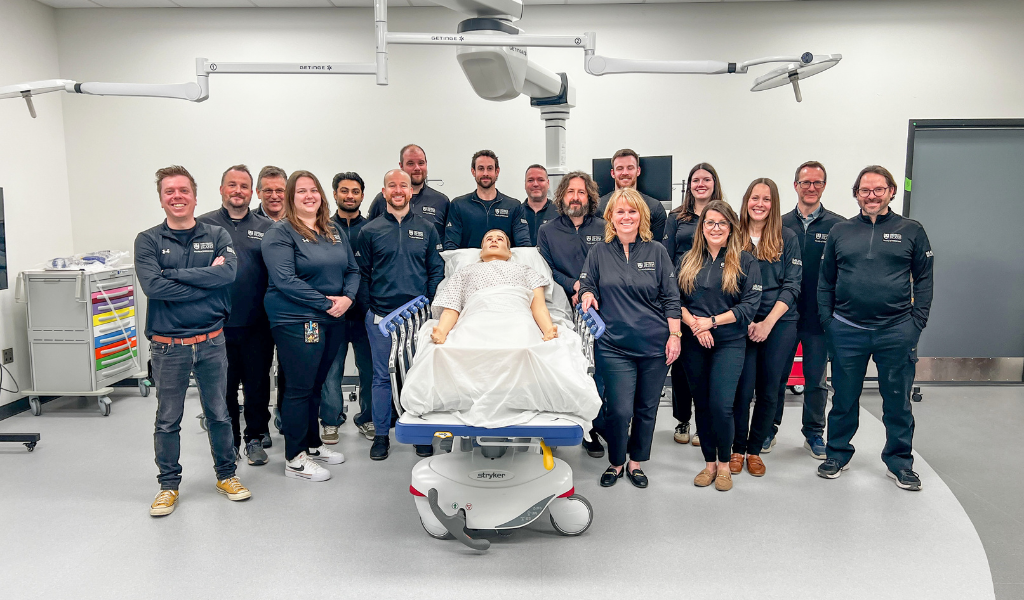
The Clinical Learning and Simulation Centre (CLSC) at the University of Prince Edward Island’s (UPEI) Faculty of Medicine is taking an important step forward by pursuing provisional accreditation through the Society for Simulation in Healthcare (SSH), an internationally recognized accrediting body for simulation centres.
“Simulation programs within health disciplines are typically covered under the broader accreditation of their institution or faculty,” said Tammie Muise, Director of the CLSC. “Simulation centre-specific accreditation provides an additional layer of recognition and is considered the gold standard in simulation-based education.”
Dr. Ron Siemens, Medical Director of the CLSC, said pursuing accreditation reflects the centre’s commitment to providing learners with high-quality, evidence-informed training environments.
“The vision of the CLSC is to be a provincial and national centre of excellence in simulation-based education and a dynamic hub where learners thrive,” said Siemens. “Accreditation is our first step toward that vision, and achieving that would reflect the high standard of simulation experiences already taking place at the centre.”
The CLSC submitted its accreditation documents in February and is now preparing for the next stage of the process, which is a virtual site tour and review by SSH assessors. The team expects to receive feedback or a decision on provisional accreditation by late summer.
SSH offers two levels of accreditation: provisional and full. Because centres must provide two years of operational data to achieve full accreditation, new centres typically pursue provisional accreditation first, which is what the CLSC team has applied for.
A major component of the accreditation process focuses on professional development and staff credentialing. Several CLSC staff members already hold the Certified Healthcare Simulation Educator (CHSE) credential, and the centre is also supporting simulation operators’ pursuit of the Certified Healthcare Simulation Operations Specialist (CHSOS) designation. Standardized patient educators are also encouraged to pursue learning opportunities through their national organizations.
“For us, it’s about creating a culture of excellence and ongoing development,” said Muise. “We want our team to be supported and certified in their respective areas.”
Although many simulation centres operate successfully without formal accreditation, Muise and Siemens emphasize that the process reflects a commitment to continual growth, accountability, and professional excellence.
“For us, it’s about mindset. It’s about wanting to be held to that high standard and knowing we’re knocking it out of the park as a simulation centre, said Muise.”


