


Student Affairs and the Webster Centre for Student Success
Welcome to Student Affairs! If you need help adjusting to a new learning environment, are seeking mental health support, or are looking for new ways to connect with other students, Student Affairs is here for you. Explore this website and check out the wide range of supports and services designed and implemented to help you succeed.
Hours of operation
Monday to Friday, 8:30 am–12:00 pm and 1:00–4:00 pm
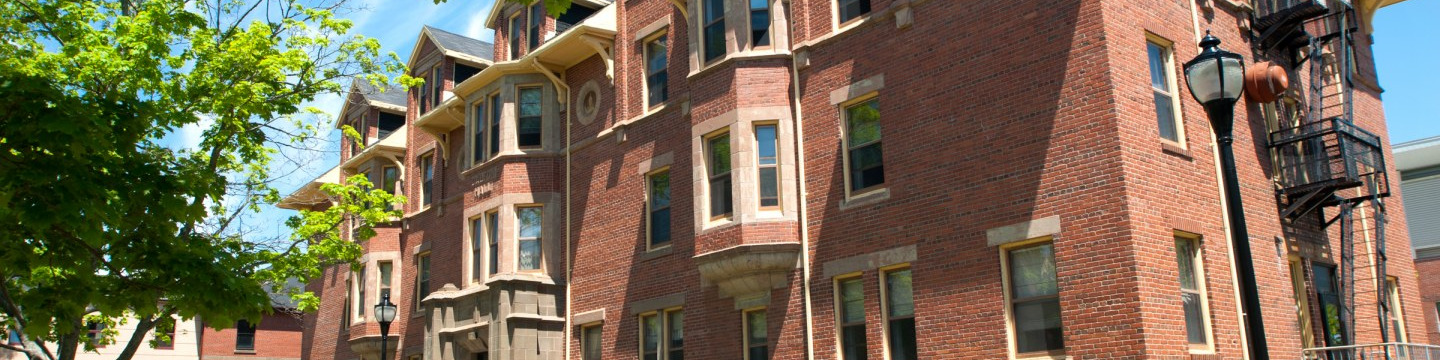
Want to make an appointment? Check out the video below, email studentserv@upei.ca, or drop up to the fifth floor of Dalton Hall. We're here to help.
Vision: happy, healthy, successful, and engaged students.
Mandate: Student Affairs and the Webster Centre for Student Success enhances individual and collective growth by providing specialized supports and programs that develop the whole student.
We take a student-centred approach to your success. Our team understands that support can make a crucial difference in having a positive university experience. Student Affairs helps you to make the most of your time at UPEI. Find out more about our services like academic advising and coaching, personal counselling, and accessibility services.
Contact Student Affairs:
Student Affairs
Dalton Hall, fifth floor
studentserv@upei.ca
902-566-0488


